
 I began my research and service with world refugees in 2005 as a Ph.D. student. At that time, the UN estimated that there were roughly 20 million people of concern worldwide, including refugees, asylum seekers, displaced people and stateless people. That number seemed terrible to me.
Twenty years later, the 2025 UN consensus places this number at 117.8 million—ironically, the lowest in a decade.
One might think that the world would develop in a positive direction, reducing the number of refugees. Instead, there are nearly an additional 100 million people who have been forced to leave their homes due to political violence, war and terrorism. Sadly, this does not include those who are left homeless by conditions not considered refugee situations, such as environmental degradation, currently estimated at 20 million annually. Often these people must flee before they have a chance to collect essential documents, such as birth certificates and nationality papers. As such, their struggles to gain residency in another country can be remarkably difficult.
 I’m a privileged migrant from the US to France. And I’m stunned at how hard it is to make it through the maze of French bureaucracy to be a permanent resident. I couldn’t begin to detail here the number of times that I’ve been asked to send papers that I’ve already sent, send new apostilles because the agencies took so long that the ones I sent were too old, etc. And it’s cost hundreds of dollars.
In my frustration, I ask myself: how on earth do refugees and asylum seekers make it through this incredible bureaucratic nightmare? I’m a Ph.D., and at times, it feels as hard as writing my dissertation. I speak French; I’m not fluent, but I’m conversational. I struggle to communicate with government officials.
And so, what is it like for those who may have little education, little money, few language skills and few employment skills, as well as ongoing trauma from the experiences that caused them to flee their homes?
Added to that is prejudice and hostility towards refugee populations. I’ve never quite understood this. Refugees don’t migrate because they want to, but because they are trying to save their lives and those of their children. They want what we all want: a safe place to live and raise their children, decent jobs to allow them to care for their families. And yet, too often, political rhetoric and social media increase prejudice towards refugees and asylum seekers.
Many uninformed people believe that most refugees end up in developed countries, for instance. In fact, fewer than five percent are resettled this way. Most live in temporary settlements and poor countries. The top 10 countries housing refugees are Sudan, Bangladesh, Ethiopia, Poland, Chad, Pakistan, Uganda, Germany, Turkyë and Iran. Only one, Germany, is a high-income country. Cox Bazar in Pakistan has the world’s largest refugee camp, holding over one million refugees, mostly Rohingya from Myanmar. Due to cuts in foreign aid, the UN has had to shut down all but the most critical operations there. For instance, 6,500 schools were closed in the camp, leaving 300,000 children with no access to education. They fall prey to trafficking, exploitation, and forced marriage.
June 20 is World Refugee Day. This year’s theme is “Until Everyone is Safe.” Refugees face major challenges to their well-being and safety. These include:
- Gaining employment - The UN High Commissioner for Refugees (UNHCR) estimates that 75% of refugees live in poverty, and while 70% legally have the right to work either partially or fully, only 50% have formal employment in place.
- Finding adequate and affordable housing: 78% of refugees live in urban or peri-urban areas. Many struggle to find affordable and adequate housing amid housing crises and a lack of public or subsidized housing.
- Staying safe and healthy – healthcare, sanitation, and hygiene are issues for refugees
- Physical health, mental health/post-traumatic stress
- Language and cultural barriers
- Continuing education for themselves and/or their children
- Loved ones in their home countries
- Disabilities
As much as anyone, refugees and asylum seekers deserve the same opportunities to thrive as people who live in relative safety.
I recently read an essay by a refugee child living in Malaysia that summed up what I wish everyone would realize about refugees. He wrote:
We didn’t choose to leave the country but we were forced to leave because of war, violence and situations that made it unsafe for our families to stay.
What hurts the most is when people judge us without knowing our stories. Some people think refugee children are a burden and we come to take opportunities away from others.
In reality, we simply want a chance to live safely and build a better future. We are not asking for special treatment. We only hope to be treated with kindness and respect.
Eurasia Review recently published an article on the failure of the international refugee system. The author, Dr. Azeem Ibrahim, notes that the average refugee situation now lasts for 20 years, persisting for much longer in some countries (Somalia, 30 years; Afghanistan, 30; Palestine, 75). Too many individuals are born, grow up, and die in temporary refugee situations. Ibrahim states that “host countries need binding, enforceable burden-sharing arrangements rather than voluntary commitments that wealthy states fail to honor.”
The world that I long for is, sadly, far from reach. It would involve understanding that the poor and homeless and those forced to flee are equally capable and worthy of respect, welcome, and support. If only given the chance, they may bring about astounding social and economic progress. Albert Einstein, Sigmund Freud, Marc Chagall, Elie Wiesel, Madeleine Albright, Freddy Mercury, Gloria Estefan—all were refugees. Thousands more, though not famous, make the world a better place every day. I have known so many, and my life is enriched by them.
This World Refugee Day, let’s take a moment to pay tribute to the hundreds of thousands who have fled their countries in fear and had the courage to overcome terrible odds to begin again. Given kindness and some help, they move from being victims to becoming survivors.
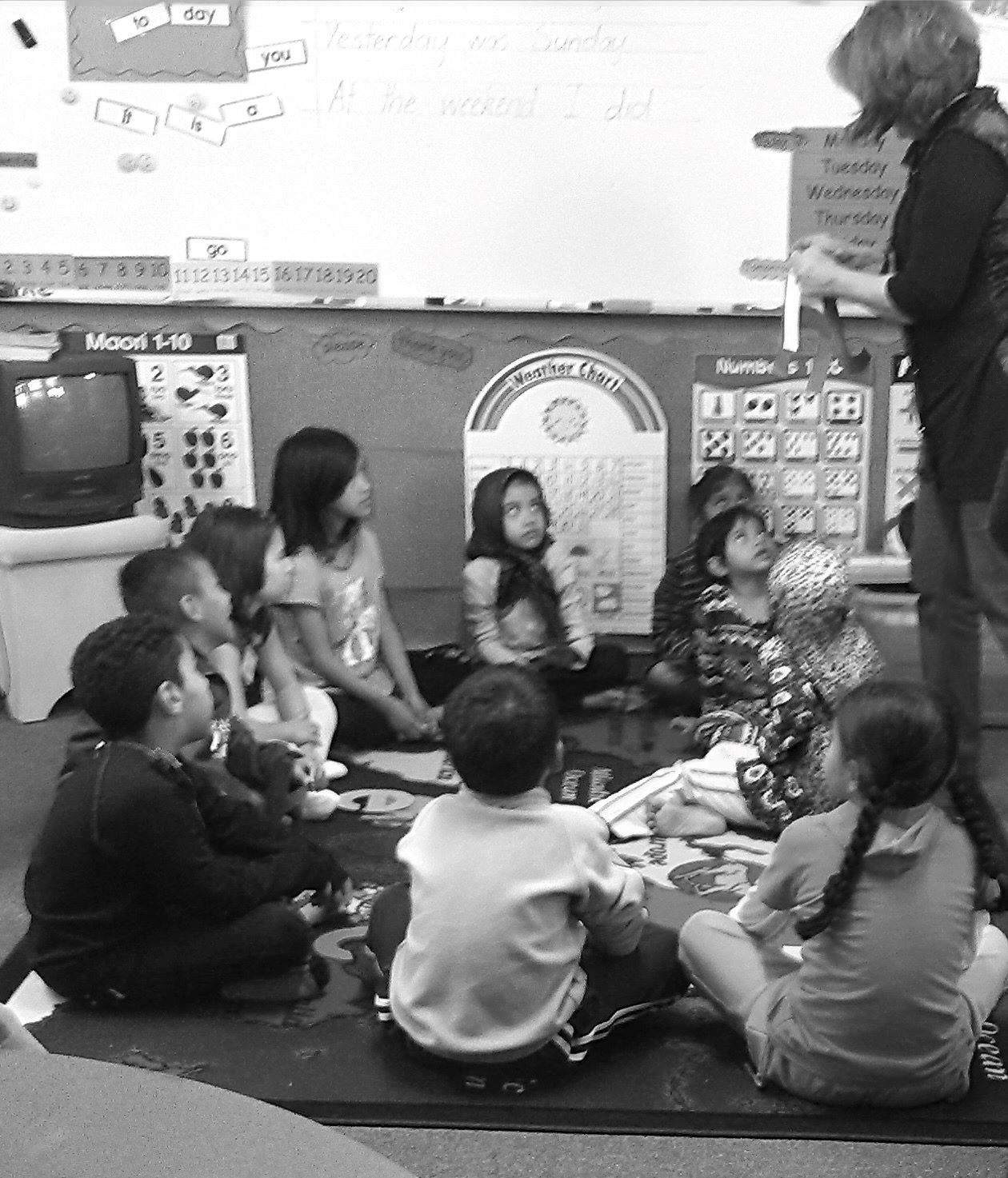
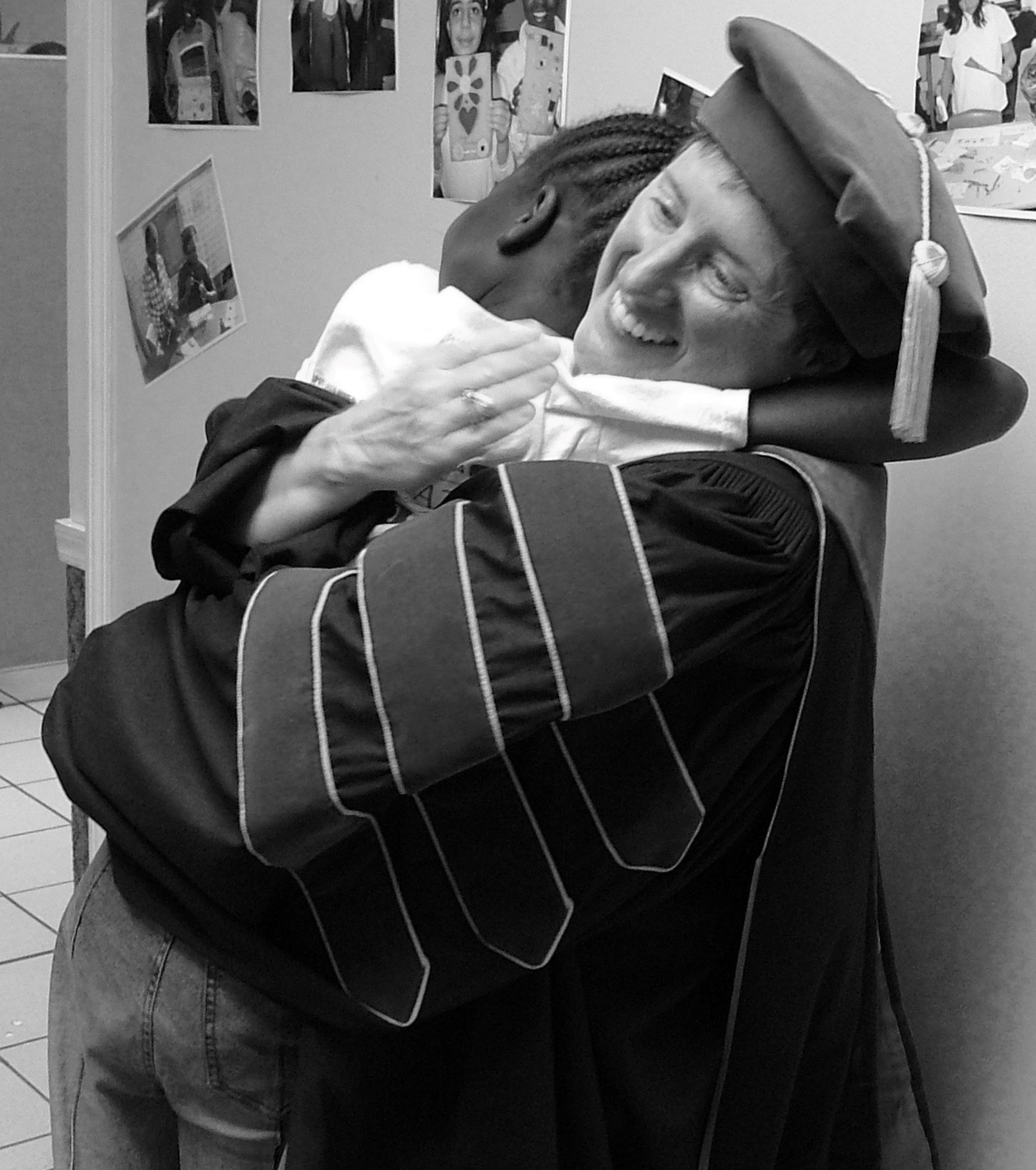
Photos courtesy of Jody McBrien