by Mary Adams, AWC The Hague
 Behind every bargain, there may be a hidden human cost. An “unconscious consumer” is an everyday person who unknowingly purchases goods or services produced by forced labor. Because complex supply chains hide exploitation, a high percentage of women drive labor market demand without realizing their purchases financially support modern slavery. Many products we buy come from producers who use child labor and forced labor, often involving trafficked children and adults. If these workers are not slaves, they live and work in slavery-like conditions, often unsanitary and dangerous conditions, for less than the minimum wage.
Shopping “slave-free” means becoming more aware of where products come from, how they are made, and which companies are taking steps to protect workers. By making informed choices and supporting more transparent businesses, consumers can help promote fairer and more ethical working conditions.
Key Certifications
Certification labels can help consumers identify products that meet certain ethical or labor standards. They can increase transparency, encourage companies to improve working conditions, and make ethical shopping easier. However, remember that labels are not an absolute guarantee that forced labor has been completely eliminated, as certification systems can vary in their standards and monitoring. When shopping in-store or online, look for these certification labels on packaging.
- The Fairtrade Mark (Fairtrade International) is the most recognised ethical label globally. When you buy products with any of the FAIRTRADE Marks, you support farmers and workers as they improve their lives and their communities. Products bearing these Marks meet the internationally agreed social, environmental and economic Fairtrade Standards.
- Fair Trade Certified is a separate scheme, run by Fair Trade USA. It focuses on fair prices, decent working conditions and community development for farmers and workers, particularly in agriculture such as coffee, cocoa and cotton.
- The Rainforest Alliance is an international non-profit organization founded in 1987 that works to protect nature, improve the lives of farmers and forest communities, and shift markets toward sustainability. In January 2018, the Rainforest Alliance officially merged with UTZ, combining their global programs.
- Fair Wear Foundation is an independent multi-stakeholder organization that works with garment brands, garment workers and industry influencers to improve labor conditions in garment factories.
- B Corporation (B Corp) focuses on forced labor as part of its broader commitment to human rights, fair work, and ethical supply chains. Look for the "Certified B Corp" logo on company packaging. This means the entire business meets high standards of verified social and environmental performance, accountability, and transparency.
Apps & Websites for Slave-Free Shopping
Modern supply chains are not transparent. Using dedicated apps for slave-free or ethical shopping can help bridge the gap between complex global manufacturing and our daily purchasing decisions.
- Good On You (app & website), focusing on apparel, shoes, and fashion brands. The app rates thousands of clothing brands on a scale from 1 ("We Avoid") to 5 ("Great") based on human rights, labor practices, environmental impact, and animal welfare.
- Sweat & Toil mobile app and database is an official tool created by the US Department of Labor’s Bureau of International Labor Affairs to track and report child labor and forced labor worldwide. The app provides detailed data on goods and products (agriculture, electronics, textiles) produced worldwide using child labor or forced labor so you can check high-risk categories before buying.
- Buycott (app & website) is the world’s largest UPC barcode database with millions of users from 192 countries, and is available everywhere. The site allows you to scan product barcodes to see if the parent company aligns with campaigns advocating against forced labor, child labor, and human rights violations.
Websites & Shopping Directories
A web shopping directory is a curated, centralized hub that organizes online stores, brands, and products into structured categories such as product types, price ranges, shipping regions, and customer ratings for easier side-by-side evaluation. Directories also highlight boutique, local, niche, or independent brands that might otherwise be buried in search results that favor large corporations.
- End Slavery Now – Slave-Free Buying Guide is a comprehensive directory featuring brands across chocolate, clothing, jewelry, coffee, and home decor that actively combat human trafficking and use certified fair-labor practices.
- DoneGood is an ethical e-commerce marketplace and browser extension that curates products from certified fair-trade, living-wage, and slave-free brands.
- Fairtrade Certified is a searchable directory for products (coffee, produce, cocoa, cotton) that meet strict economic, social, and environmental standards—ensuring zero forced labor and fair compensation.
- Slave Free Chocolate is a dedicated list highlighting ethical chocolate companies that guarantee cocoa sourcing free from child labor and forced labor.
- World Fair Trade Organization is a global network verifying enterprises that prioritize fair wages, safe working conditions, and anti-exploitation practices.
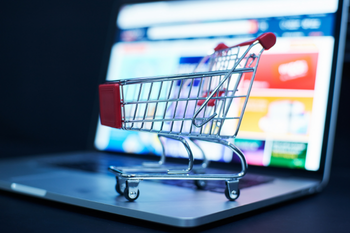
Photo courtesy of canva.com