
by Dana Cognetta Fritchie, AWC Frankfurt and Education Team Co-Chair
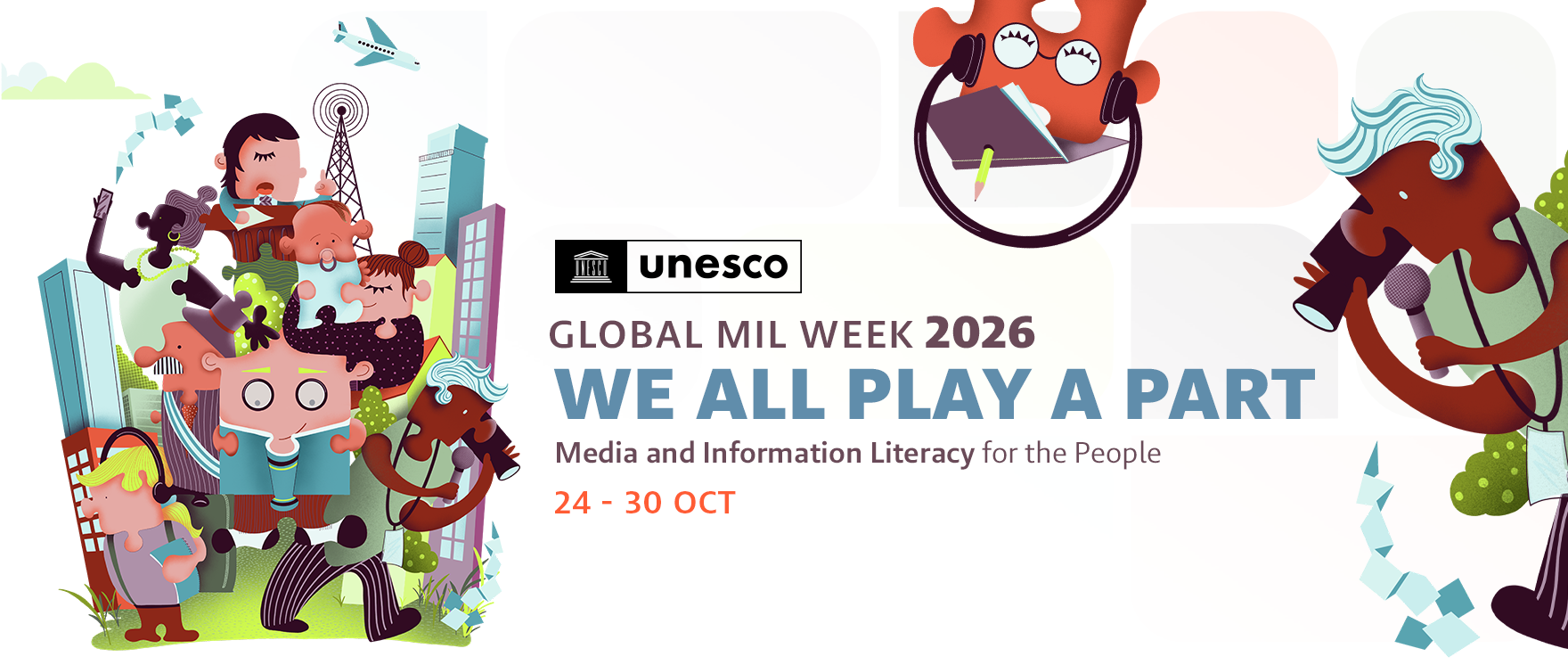 Global Media & Information Literacy Week
It is 10:30 PM on a Tuesday night. Eleven-year-old Emma should be asleep, but her phone keeps lighting up. Someone in the class group chat has posted a photo of her from today’s gym class, and the laughing emojis keep coming. Instead of getting a good night’s sleep, Emma will be awake for hours, feeling angry and ashamed. Not too long ago, the school day ended with the closing bell. Today it follows children home, to the dinner table and into bed. We can’t follow kids into every online space, but we can teach them how those spaces work.
Why this week
From October 24 to 31, the FAWCO Education Team is joining UNESCO in marking Global Media and Information Literacy Week. It’s the perfect time to stop and ask what literacy really means for children growing up with a screen always within reach. Reading a screen with a critical eye is fast becoming as important as reading a book. We usually think of media literacy as spotting fake news and sorting fact from fiction. But it’s also about something much closer to home: how our children talk to, connect with and treat one another online. This year’s theme, “We All Play a Part – Media and Information Literacy for the People,” is a good reminder that keeping digital spaces safe is everyone’s job. As UNESCO explains on its Global Media and Information Literacy Week page: “Media and Information Literacy is key to address the challenges of the 21st century including the proliferation of mis- and disinformation and hate speech, the decline of trust in media and the transformative impact of digital innovations notably Artificial Intelligence.”
UNESCO’s message reminds us that media and information literacy is about more than understanding the information we encounter. It is also about how we participate in digital spaces and the responsibility we have toward others. For children and young people, that responsibility begins with developing digital literacy skills.
What is digital literacy?
The American Library Association’s Digital Literacy Task Force defines digital literacy as “the ability to use information and communication technologies to find, evaluate, create and communicate information, requiring both cognitive and technical skills.”
But what does that actually mean in everyday life? Digital literacy goes well beyond knowing how to operate a device or navigate an app. It means being able to find information, question its reliability, recognize bias, and think carefully about what we create and share online. It also means understanding how digital platforms influence what we see and how we interact with others. Whether at school, at work, or simply scrolling through social media, these skills help us make informed decisions and use technology with greater confidence and responsibility.
The term itself covers a broad range of skills, and as technology continues to evolve, so too will our understanding of what it means to be digitally literate. This is particularly important when we think about children, who are growing up in a digital world that even adults are still learning to navigate.
In its 2015 white paper, Media Mentorship in Libraries Serving Youth, the American Library Association’s Association for Library Service to Children emphasizes the importance of adult guidance in helping children develop digital literacy skills:
“The number of children and families who use digital media is growing, and children require mediated and guided experiences with digital media for the experiences to translate into positive and productive digital literacy skills.”
– Campbell, C., Haines, C., Koester, A., & Stoltz, D. (2015). Media Mentorship in Libraries Serving Youth. Association for Library Service to Children, American Library Association.
Why digital literacy is important
In today’s world, what happens in the classroom or hallway often follows children home through their phones, and what happens online can just as easily carry over into the school day. A hurtful comment made in the hallway can become a meme shared among classmates that evening, while a child excluded from a group chat may find themselves sitting alone at lunch the next day. Technology has made it easier for these situations to spread, often reaching far more people than anyone might have imagined. A humiliating photograph can be shared within minutes, and a screenshot can resurface months later. And when children can hide behind a screen or an anonymous account, saying something cruel can become that much easier. We also need to think about the children who witness these situations. Some may be afraid of becoming the next target, while others simply do not know how to step in. Over time, that fear and uncertainty can create anxiety and a culture of silence where bullying continues without being challenged.
And this is where I believe digital literacy becomes so important. Children may know how to work a phone, but that doesn’t mean they grasp the responsibility that comes with it. We teach children how to use technology, but are we spending enough time teaching them what their actions online can mean for someone else? We need to teach children to recognize harmful behavior, understand the consequences of what they post and share, and know when and how to seek help. Just as we teach children how to treat one another in the classroom, we must also teach them how to treat one another online.
The view from FAWCO families
For those of us raising children abroad, these challenges can feel even sharper. Children growing up abroad are often the new one, the foreign one, or the one still learning the language. Those differences can make a child a target, and moving between countries can make it harder to find their footing among peers.
Parents/guardians face their own learning curve. Schools and countries differ widely on phone rules, on how bullying is defined, and on who is responsible when it happens online/after hours. A policy that was clear in one school system may not exist in the next. Parents who are new to a country can’t assume the school is covering it, and they may not know whom to ask.
Why digital literacy is prevention
For me, digital literacy begins with teaching children to think about what happens beyond the screen. Who might see what they share? How far could it travel? And perhaps most importantly, how might their words or actions affect someone else?
This means helping children to learn to think critically about what they see online. Who actually posted this, and why? Is this photo real, or has it been edited or even made with AI? Who can see what I share, and where might it end up? It means noticing when a group chat has turned from harmless fun into several kids ganging up on one child, when an account might be fake, or when a “joke” is really hurting someone.
Just as importantly, children need to know what to do when something goes wrong: save the messages, block and report, and tell a trusted adult. We also need to teach them what it means to be an upstander rather than a bystander. Sometimes that’s as simple as not forwarding a humiliating photo, not joining in the laughter, or simply checking in on a classmate who has been targeted.
When children develop these skills, they are better equipped to recognize harmful situations, protect themselves, and make thoughtful decisions about how they treat others. They begin to understand that behind every photograph, comment, or message is another human being who may be affected by their actions. We can restrict access to phones, establish screen-time limits, and monitor online activity, but those measures alone do not teach children how to exercise good judgment.
What adults can do
At home, talk to your children about their online lives, not just when something goes wrong. Know which apps they use, who they interact with, and what goes on in those group chats. Above all, make sure they feel comfortable coming to you. I will openly admit that I searched my own child’s phone after bedtime, looking for hidden apps or anything concerning. I even reported an Instagram account I discovered on his phone when he was under 13. And let me say this, what algorithms expose our children to is in desperate need of an overhaul!
Pay attention to changes in behavior. Withdrawing, avoiding school, or becoming upset after being online? Red flags! Suddenly treating others unkindly? Another red flag!
And ask questions at school. What digital literacy skills are children learning, and at what age? How is cyberbullying handled when it happens outside school hours? For families navigating unfamiliar school systems or language barriers, don't hesitate to bring a friend or fellow club member for support.
What clubs can do
Clubs can play a part too. Host a parents’/guardians’ coffee or discussion on children’s digital lives, share a list of trusted resources in your club newsletter, or invite a local school counselor or digital safety organization to speak to members.
If there is one thing I hope we take away from this year’s Global Media and Information Literacy Week, it is that we all have a part to play. We cannot leave these conversations entirely to schools, parents, or technology companies. Whether it is recognizing misinformation, understanding the influence of AI, or thinking critically about what we read and share, these are skills we all need. Learn more by visiting Global Media and Information Literacy Week | United Nations and Global Media and Information Literacy Week | UNESCO.
We’d love to hear what is working in your country and your club. Share your experiences with the FAWCO Education Team at .
Image used with permission of UNESCO.