
by Tharien van Eck, AWC Antwerp
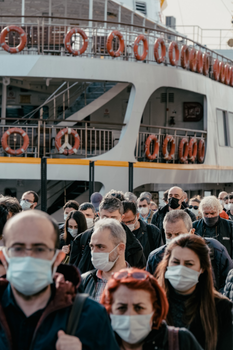 Cruise ships are often described as floating cities, offering entertainment, untold luxury and the fun of travel—and all in one place. Yet over the years, they have also earned another reputation—ideal environments for the rapid spread of illness.
With thousands of passengers and crew members living closely together, sharing common areas such as dining rooms, pools and entertainment areas, cruise ships can easily become “incubators” for viruses and infections. The MV Hondius hantavirus outbreak, which resulted in a reasonably coordinated response from the World Health Organization and other international authorities, reminds us of the early days of the COVID-19 pandemic. In 2020, cruise ships became early sites of outbreaks.
The COVID-19 pandemic highlighted this risk, but outbreaks of norovirus, influenza and other contagious illnesses have long been a challenge associated with cruise travel. Recent reports of renewed norovirus outbreaks on several cruise liners once again raise concerns about how quickly stomach viruses can spread in confined environments.
There have also been increasing discussions around other infectious diseases worldwide, including hantavirus, a rare but serious virus primarily spread through contact with infected rodents and their droppings. While hantavirus is not associated with cruise ships in the same way as norovirus, growing global travel and densely populated environments continue to remind us how interconnected public health has become.
Modern cruise companies have responded by improving hygiene standards, ventilation systems, medical facilities and health protocols. Many ships now have advanced sanitation procedures, onboard medical teams and isolation plans should illnesses occur.
Despite the concerns, cruising remains enormously popular. For the explorers amongst us, visiting multiple destinations, the convenience of onboard living and the sense of adventure outweigh the risks. However, it is important to ensure that we as travellers are more aware of the risks, ensure that we are prepared and that our personal responsibility when it comes to health and safety is sound.
Perhaps the real question is not whether cruise ships are “floating incubators,” but whether the travel industry and passengers alike have learned enough lessons to make cruising safer for the future.
Sources
- Are cruise ships really breeding grounds for illness?
- Why Are Cruise Ships Prone to Outbreaks?
- Hantavirus, COVID, norovirus, legionnaires’: why are cruise ships so prone to disease outbreaks?
- Cruise Ship Illness Frequently Asked Questions
- NoroSTAT Data
Photo from Canva.com