by Tania Miller, AWC Dublin
Every child has the right to learn, to feel safe and to be heard. Today, November 20, 2026, is World Children’s Day. It marks 37 years since the United Nations affirmed these rights in the Convention on the Rights of the Child. Our shared responsibility is to make them a reality for every child, every day.
For our community, let’s start by asking what stands between children and a quality education. Can they get to school safely? Can their families afford to send them to school? Can they keep learning when conflict or an emergency disrupts their lives?
These questions are at the heart of Sustainable Development Goal 4 (SDG 4), the global commitment to quality education and lifelong learning for all.
Three barriers to learning
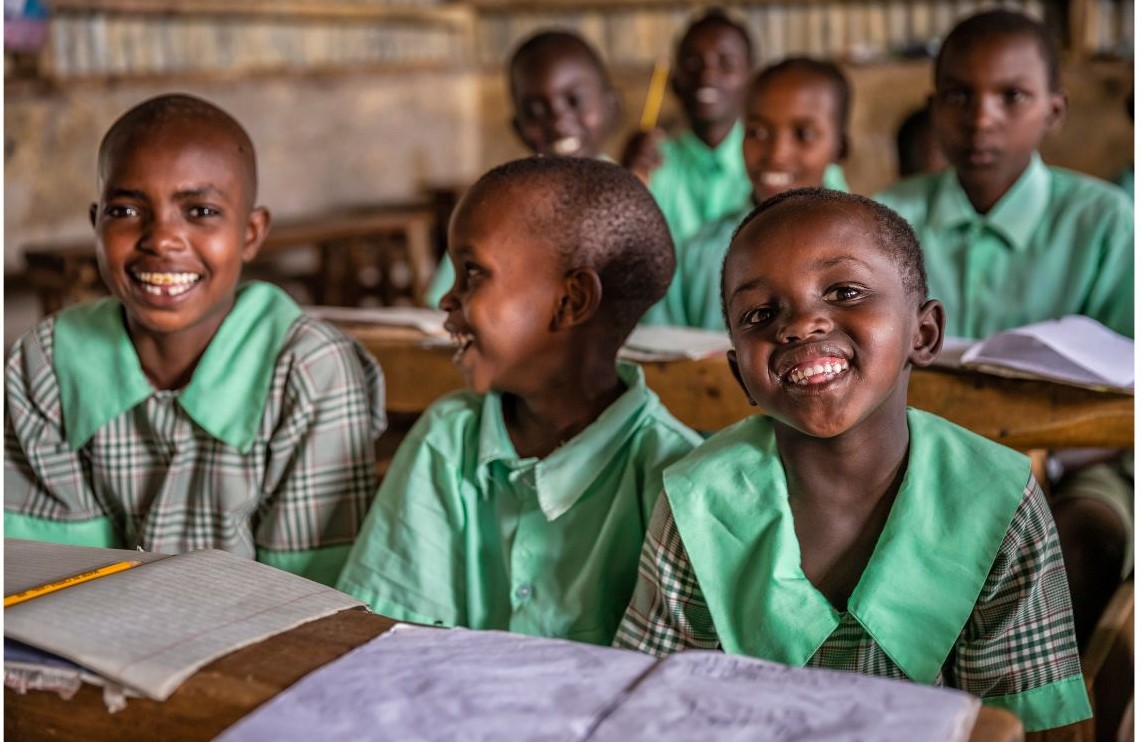
Safety – Getting to school and feeling safe
An unsafe journey can keep children from getting to school. Once there, bullying, violence and inadequate facilities can make it harder to participate and learn. Safe transport, supportive teachers, private toilets and access to menstrual hygiene supplies can help children attend and take part. SDG target 4.8 calls for safe, non-violent and inclusive learning environments.
Poverty – When free schooling still costs too much
Even when schools charge no tuition fees, families may struggle to pay for transport, school supplies or the cost of buying and washing uniforms. In The Gambia, the UN-supported Zero Out of School Children Project provided cash assistance to families, bicycles to help students get to school and specialised learning materials for children with disabilities. Easing these costs connects SDG 4 (Quality Education) with SDG 1 (No Poverty).
Conflict and emergencies – Keeping children learning through disruption
Conflict, displacement and disasters can close schools and interrupt children’s education. Children can also lose daily routines, supportive relationships and a sense of security. Temporary classrooms, catch-up programs and access to local schools can help them keep learning during a crisis. Keeping education accessible during crises also supports SDG 16 (Peace, Justice and Strong Institutions).
These barriers often overlap. Displacement can deepen poverty, and financial hardship can put safe transport out of reach. A place in school is a starting point. Children also need support to take part, build friendships and grow in confidence. To understand what would help, we need to hear from children themselves.
Listen as well as act
Children should have a say in decisions about their education. Article 12 of the Convention on the Rights of the Child recognizes their right to express their views and have those views taken seriously. We can begin by asking, “What helps you feel safe, included and ready to learn?” Then we can ask, “What would you change?”
Children should be able to tell a trusted adult about bullying in a way that feels safe, and choose how much they want to share. A child might bring a friend for support or give a teacher a note asking to speak privately. They might explain that they are being bullied in a corner of the playground and suggest having a teacher nearby at lunchtime. School staff can explain what they will do, adjust where they supervise and check back with the child to see whether the bullying has stopped and whether they feel safer.
What can FAWCO members do today?
- Start a club conversation. Talk about how poverty or displacement affects access to education in your community. Members who wish to share can reflect on challenges they faced in their own education and what helped them.
- Support a cause that matters to you. Think about what helped you or your children learn, whether it was transport, school supplies, language support or a welcoming community. Consider supporting a trusted organisation that offers similar help.
- Ask and listen. Invite children, grandchildren or young people in your community to share what helps them learn and feel included. Give them time to answer in their own words and respect what they choose to share.
- Build on your club’s work. Choose an existing project, identify how it connects with a Sustainable Development Goal and agree on one practical step your club can take. Set a date to review your progress together.
- This World Children’s Day, let’s turn our shared concern into community action. Bring your club together, listen to what children say matters most to them and choose one practical step you can take today. Commit to that step as a club and follow through.
Sources and further reading
- United Nations — World Children’s Day
- UNICEF — Convention on the Rights of the Child
- United Nations — SDG 4, Quality Education
- United Nations — SDG 1, No Poverty
- United Nations — SDG 16, Peace, Justice and Strong Institutions
- United Nations — Education in Crisis Situations
- FAWCO — Education resources
- United Nations in The Gambia — Riding to Success: Fatou’s Journey to Education