
by Marelie Manders, Heidelberg IWC
In February, as part of the FAWCO Global Issues Book Discussion, the Human Rights Team selected We Need New Names by NoViolet Bulawayo. This is the story of 10-year-old Darling who escapes poverty in Zimbabwe and moves to America to live with her aunt. Her vision of a new paradise brings its own set of challenges. As she forges a different life, Darling becomes a powerful observer of global identity. The Human Rights Team invited FAWCO members to read the book and discuss key points on poverty, empowerment, and community.
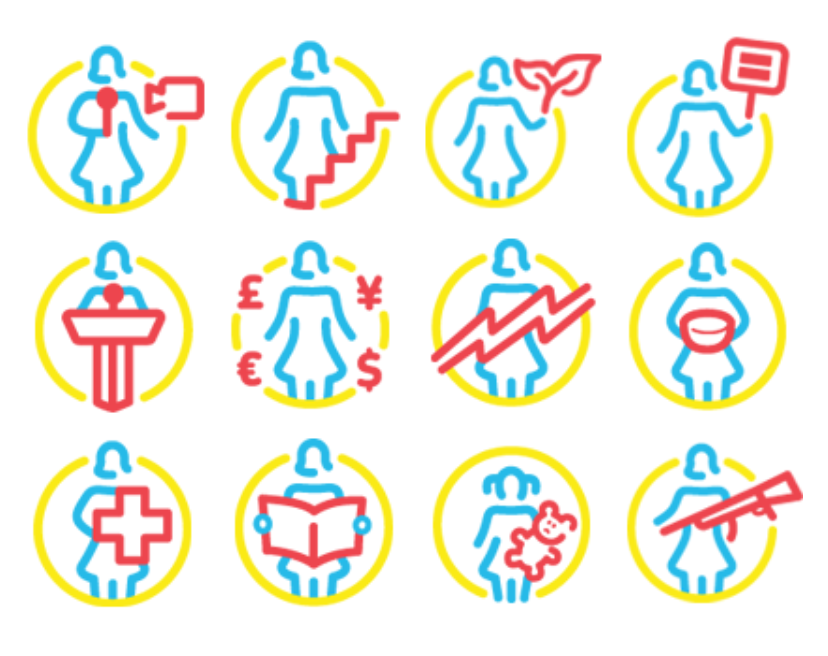 Co-Chairs Marelie Manders, Heidelberg IWC, and Mary Adams, AWC The Hague, as well as other FAWCO members, participated in the NGO CSW Geneva 2024 project to develop advocacy tools to address the Beijing Platform for Action’s 12 critical areas of concern. The team decided to further showcase and promote the work and outcomes of the project as the agenda for 2025 open meetings for all members. In 2025, the concerns addressed included:
- Power and Decision-Making (Connie Phlipot, AWA Vienna);
- Women and Conflict (Marelie Manders, Heidelberg IWC);
- Women and Human Rights (Mary Manning, Heidelberg IWC);
- The Girl Child (Karen Castellon, FAUSA, AWC Berlin);
- CEDAW Panel (Marelie Manders, Heidelberg IWC; Jessica Buchleitner, FAWCO UN Team; Corinne Dettmeijer, Vice Chair CEDAW; and Elahe Amani, Women's Intercultural Network);
- The Nexus of Health & Environment (Sabine Peters, Zonta International UN Representative); and
- Remembering Lost Voices (Jennifer Sturgeon, AWC The Hague). The team finished the year with an Advocacy in Review session in December.
The 16 Days of Activism against Gender-Based Violence, from November 25 through December 10, 2025 was a collaborative effort that included daily action posts on FAWCO’s internal and external Facebook pages. As a result of the critical concerns sessions, on December 10, the Human Rights co-chairs launched The Living Stones Project, which provides guidance for all clubs to learn how to clean Stolpersteine. These stones are small brass memorial plaques set into pavements to honor victims of Nazi persecution. Stones are placed on public property outside each victim’s last freely-chosen living place. The inscription on each stone begins “Here lived,” followed by the victim’s name, date of birth and fate. The brass tops of the Stolpersteine oxidizes over time, causing them to discolor from brown to black. The Human Rights Team is proud to launch the Living Stones Project for FAWCO clubs to learn how to properly clean existing stones. Cleaning Stolpersteine is not just maintenance – it’s remembrance through care.